Innovative Approaches to Teaching Code Through the English Language
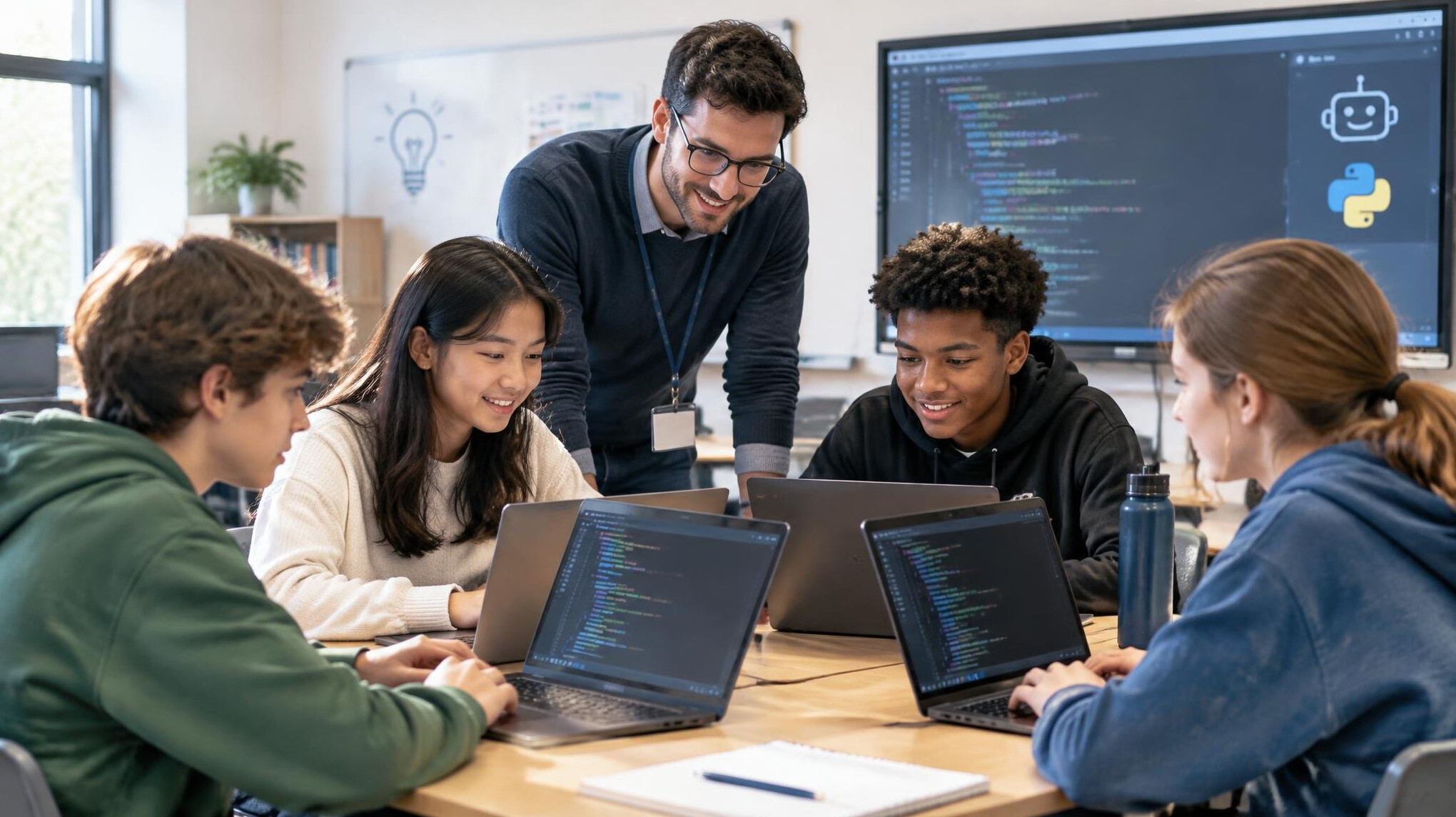
Learning to code can feel overwhelming at first, especially when you're also trying to strengthen your English skills at the same time. Many students find that combining the two creates a more natural path forward. At skillmindvo we see this overlap every day as learners build both technical confidence and language fluency through practical projects.
Starting with Real World Projects
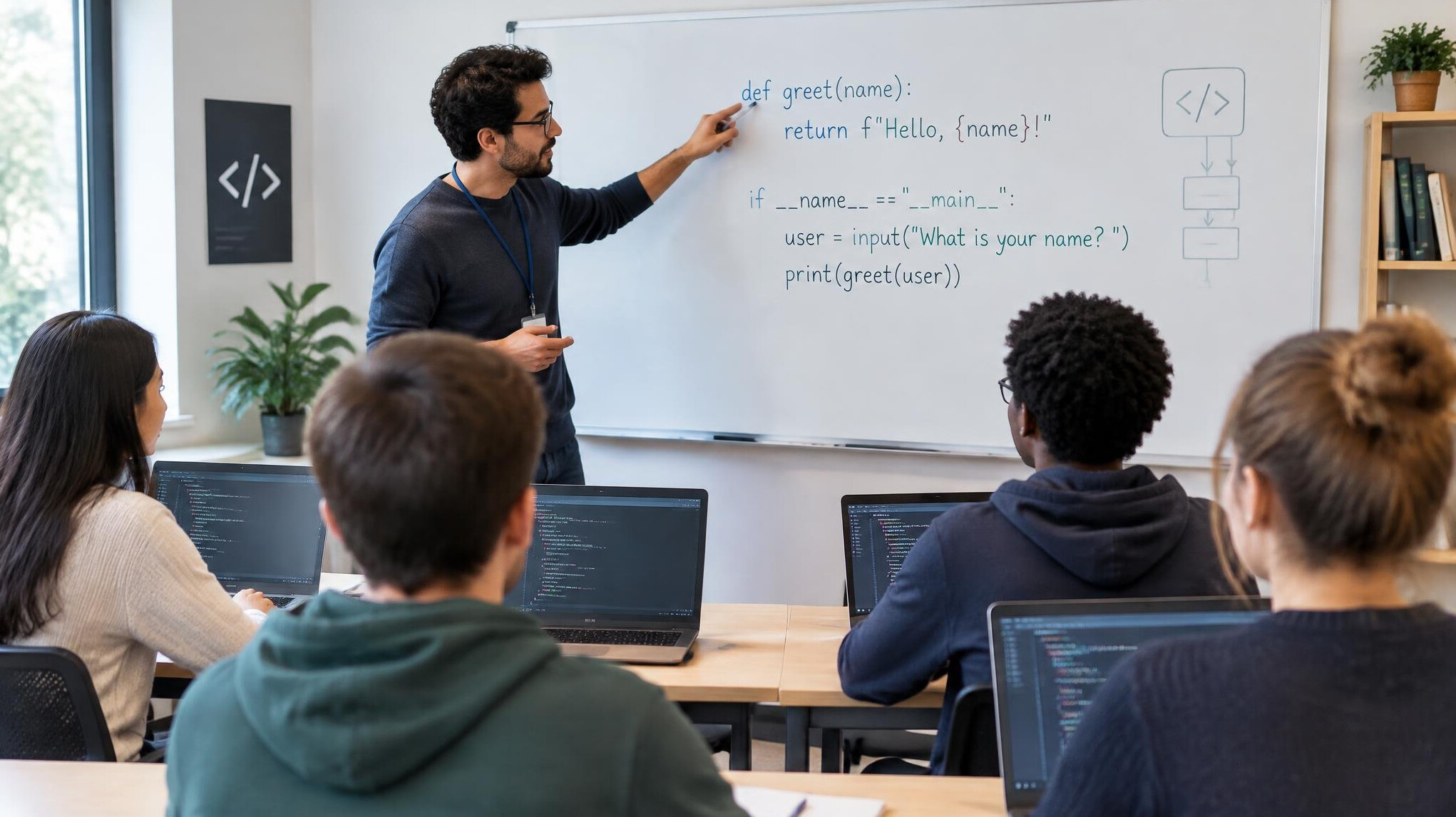
Instead of drilling syntax in isolation, we encourage students to work on small apps or websites that solve everyday problems. This approach keeps motivation high because the end goal feels meaningful. When learners describe their features in English, they practice technical vocabulary without even realizing it. A simple task like building a weather app quickly introduces terms such as variables, functions, and API calls while also requiring clear written explanations.
Building Vocabulary Through Context
Traditional word lists rarely stick. We prefer to introduce new terms right when they appear in code. For example, during a lesson on loops, students might read short articles about automation in daily life. They then discuss these ideas in pairs before writing their own loop examples. This method helps the language feel connected to the programming concepts rather than separate from them.
One student told me that explaining her code in English actually helped her spot logical errors she had missed before. The act of putting thoughts into words made the logic clearer.
Another useful technique involves peer reviews. Students swap code snippets and write feedback in English. They learn to give constructive comments while also reading and understanding someone else's approach. Over time this builds both communication skills and code reading ability.

Using English Resources from Day One
Many official documentation sites are written in clear English. We guide learners to start using these resources early instead of relying only on translated materials. At first it can be slow, yet the payoff is huge. Students become comfortable with the language used by the wider developer community. We often begin with short official tutorials and then move to forum posts where developers solve similar issues.
Storytelling and Code
Another method we enjoy is turning code into short stories. Learners write a simple narrative about what their program does, then translate that story into actual code. This exercise strengthens logical thinking and descriptive writing at once. It also makes debugging feel more like editing a story for clarity.
Role playing scenarios add variety too. One person acts as a client explaining requirements in English while the other translates those needs into a basic program structure. These conversations mirror real workplace situations and prepare students for future jobs.
Measuring Progress Without Pressure
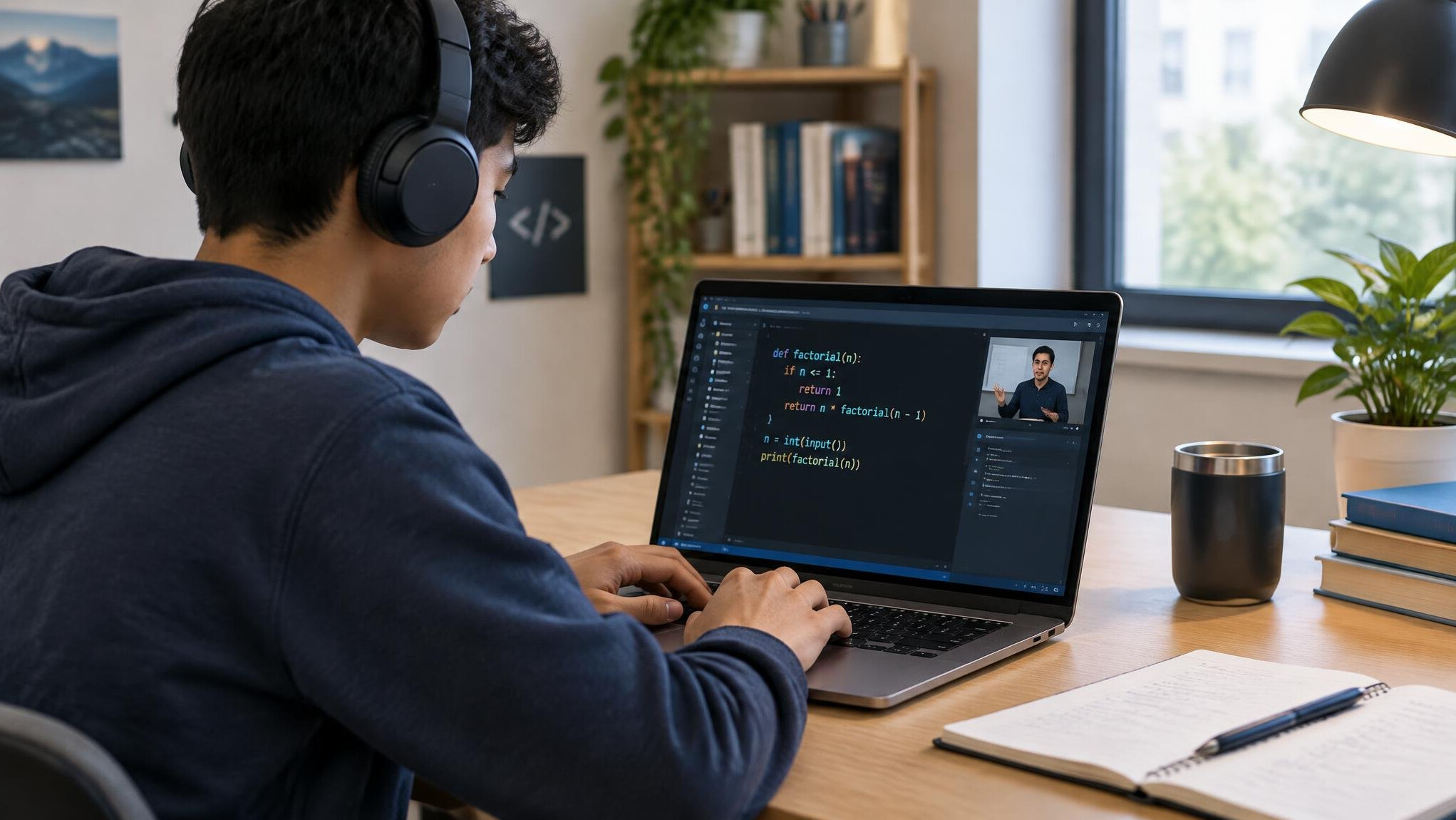
Assessment looks different in this blended setting. Instead of traditional tests we look at completed projects and the quality of accompanying English explanations. Students keep journals where they reflect on what they learned each week. These entries reveal growth in both areas over time. Regular one on one chats also let instructors adjust the balance between language support and technical challenge.
Ultimately the goal is confident communicators who can also write clean code. When English and programming grow together, learners gain a skill set that opens doors in global tech teams. The approaches above have helped many of our students feel more at ease with both languages and logic.